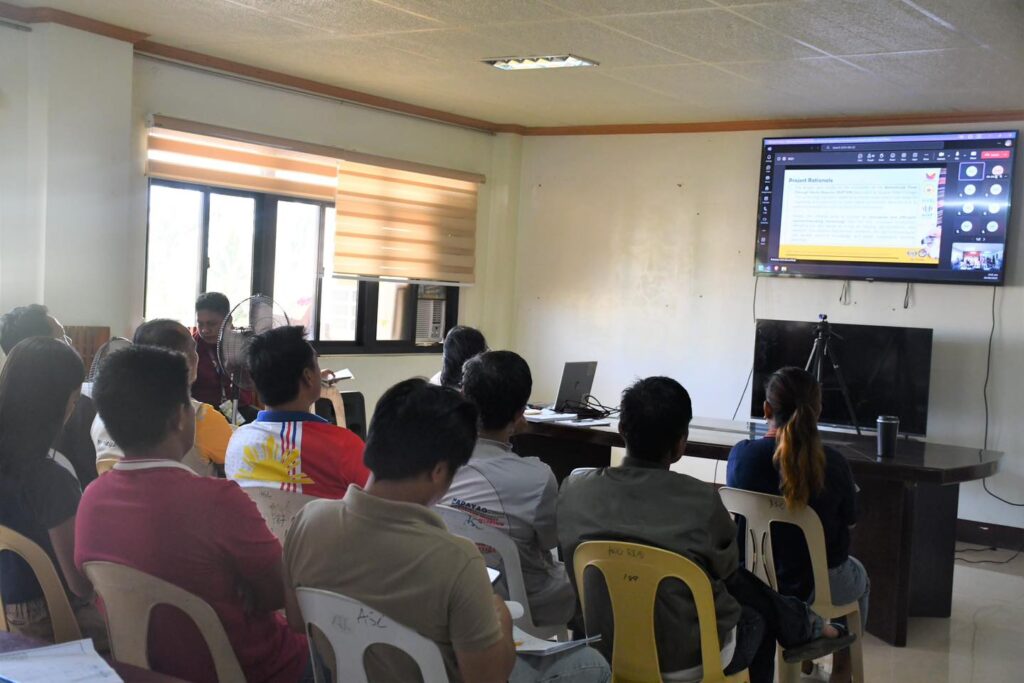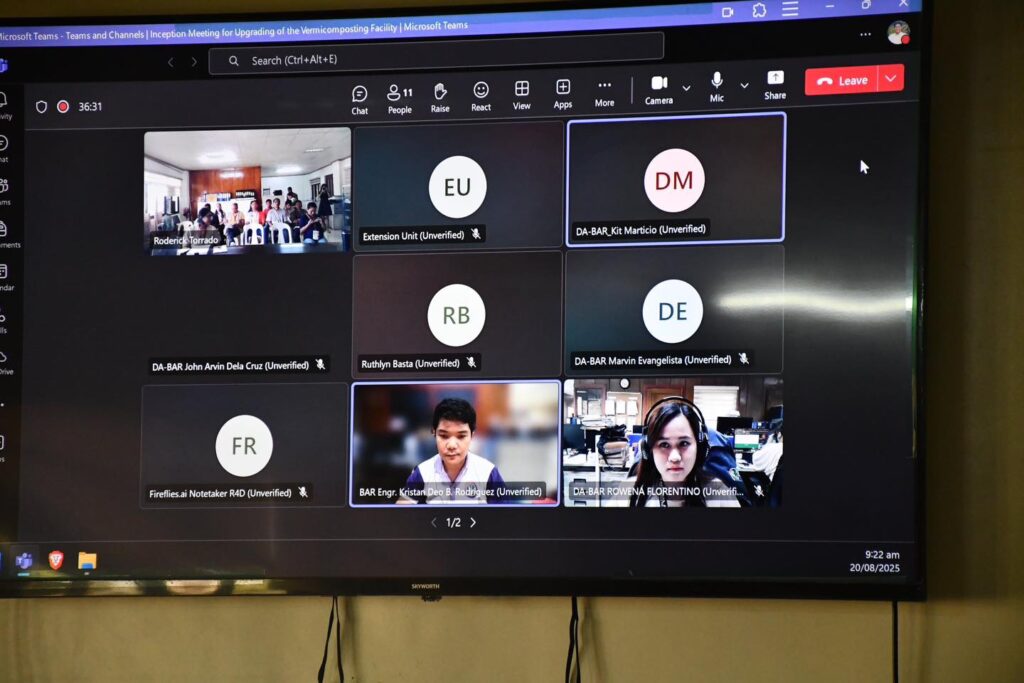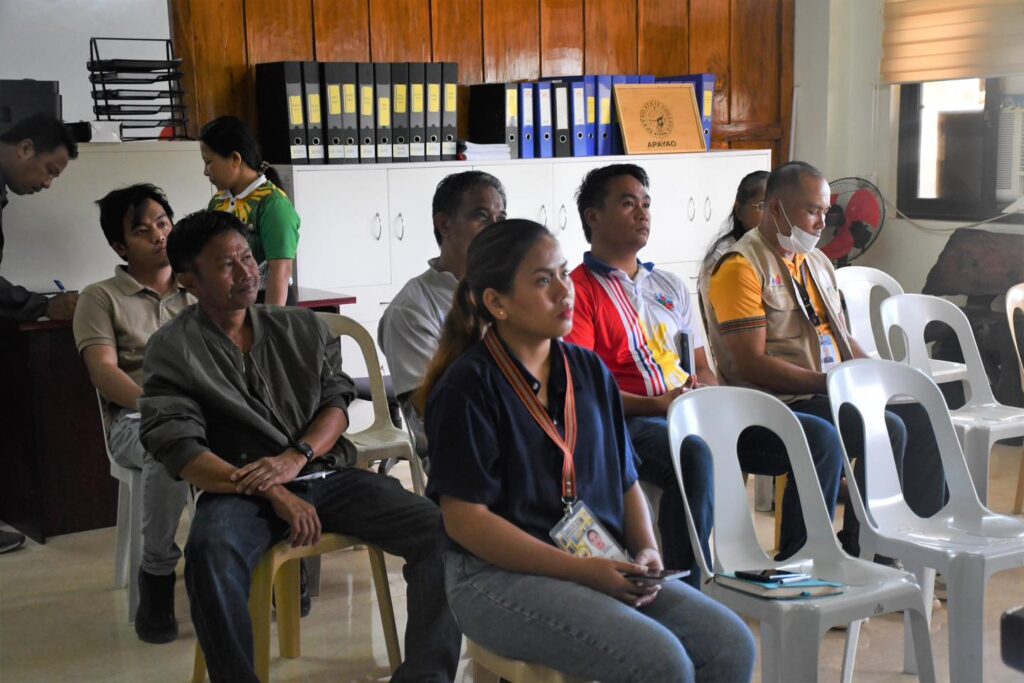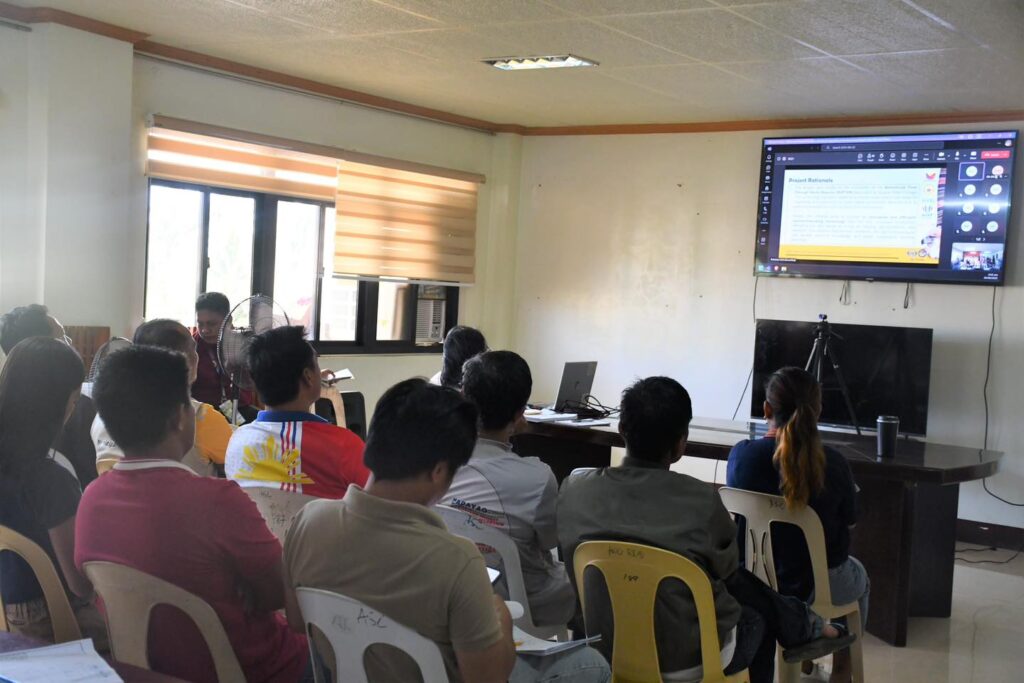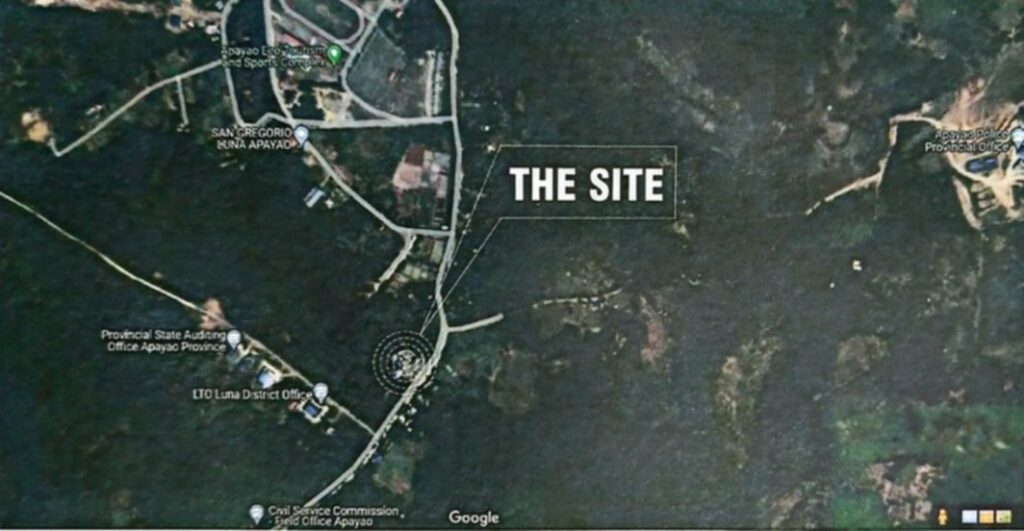








Apayao State College (ASC) vermicomposting facility located at ASC Payanan Site in San Gregorio, Luna, is set to become a key resource for farmers, researchers, and communities in Apayao following an inception meeting on August 20 held at the IPTBM Conference Room, Luna Campus.
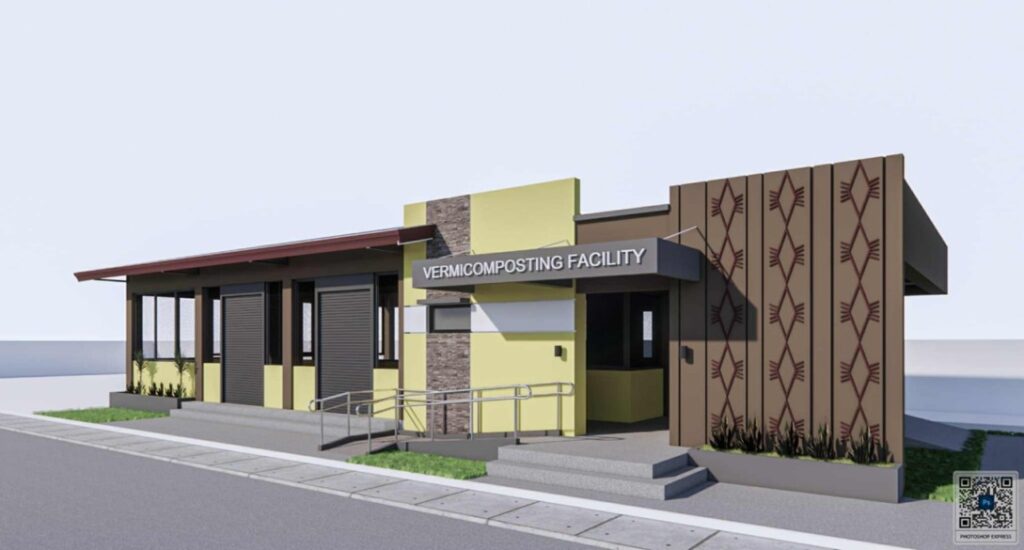
The ₱5 million project titled “Upgrading of the Vermicomposting Facility at ASC” is funded by the Department of Agriculture (DA) through the Agricultural Competitiveness Enhancement Fund (ACEF) which aligns with Republic Act 9003 (Ecological Solid Waste Management Act) and Republic Act 10068, as amended by RA 11511 (Organic Agriculture Act), by promoting the efficient use of waste and encouraging the adoption of organic farming practices. This supports both environmental sustainability and the country’s agricultural development objectives. The project will expand the existing facility by 50 percent, covering a total of 252.25 square meters. It will feature new roofing, drainage systems, and vermi-beds, along with modernized equipment such as a rotary trommel, rotary bio-decomposer, biomass shredders, sack sealers, and vermi-reactors. These upgrades are designed to improve efficiency, ensure product quality, and increase the facility’s production capacity.
The expanded capacity and upgraded systems will serve both as a large-scale production site and as a center for training, research, and extension. Among its core services and functionalities are the production and distribution of high-quality vermicompost and vermiworms, the provision of a shared-service facility that enables access to production, processing, and packaging of organic fertilizers, and the conduct of training and capacity-building activities, such as seminars on facilities, equipment handling, operations, and processing. These services are intended to benefit a wide range of stakeholders, including organic farmers and entrepreneurs, local government units, students, and researchers.
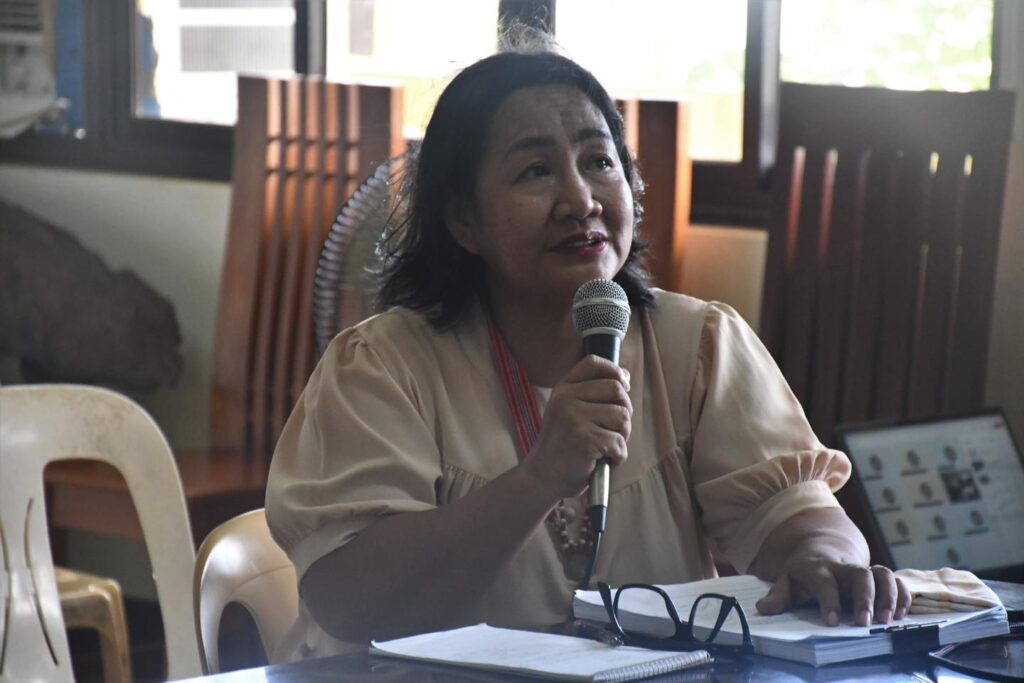
Led by Project Leader Dr. Mirasol L. Agpuldo, Director for Extension Services, with the strong support of ASC President Dr. John N. Cabansag, the inception meeting was conducted in a hybrid format with both onsite and online participation from key partners who are members of the ASC project management team, representatives from DA-BAR, ASC’s Infrastructure and Development Office, the Provincial Office for Organic Agriculture, the Municipal Agriculture Office of Luna, MENRO-Luna, and farmer-cooperators from Sta. Marcela, Pudtol, and Luna. Officials from DA-BAR’s Program Development, Monitoring, and Research Divisions also joined via Zoom.
The project reflects ASC’s continuing commitment to advance organic agriculture and to support the province’s vision of a more sustainable and resilient farming sector.